Yttermalax & Övermalax schools' Nordskills Eco-club in Malax/Maalahti
The eco-club in Malax is organized in collaboration with Yttermalax and Övermalax schools, as well as project partners Aktion Österbotten and the University of Eastern Finland.
The eco-club activities began in early 2026, with the first meetings taking place in March 2026. Since then, the club has met twice a month. Meetings are held on Fridays after school and are integrated into the school schedule as an additional activity alongside the regular curriculum.
The Nordskills eco-club in Malax started with 12 pupils from grades 3–6 and is intended to continue throughout the project with the same group, supporting a long-term learning process in self-sufficiency skills.
The club engages in a wide range of self-sufficiency activities, with food (both wild and cultivated) as a key focus. Gardening and farming take place at the Brinken museum area in Malax, where the eco-club garden is also open to the public and integrated into the museum plantings.

Below you can find some key activities carried out by Malax Nordskills eco-club:
Creating from nature and reuse
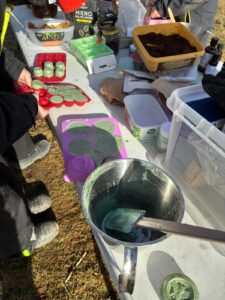
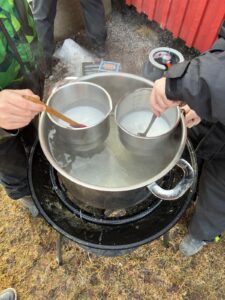
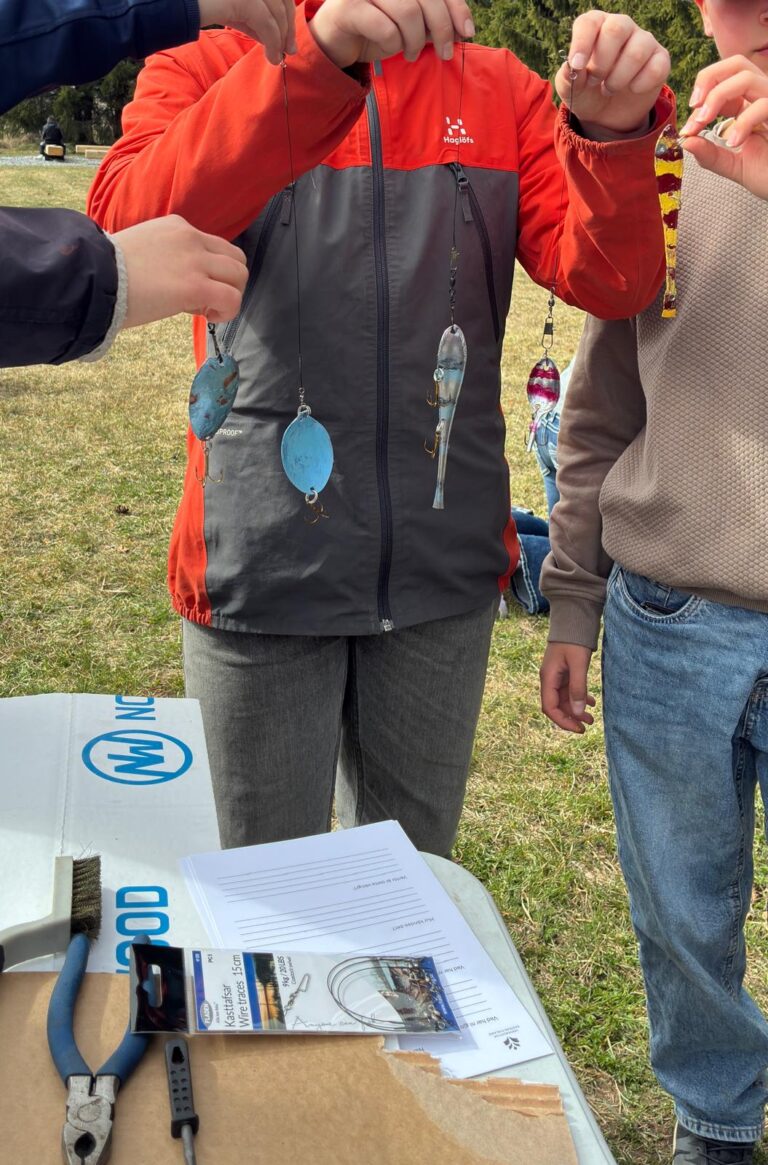
As part of the Malax eco-club in 2026, we have created products from natural materials and by repurposing waste materials as part of our self-sufficiency activities. The ideas came from the eco-club members themselves. For example, we have made coffee soap from leftover coffee from the teachers’ room, learned how to card wool, produced lip balm and salves, and made fishing lures from old spoons, decorating them with nail polish.
Farming in Brinken
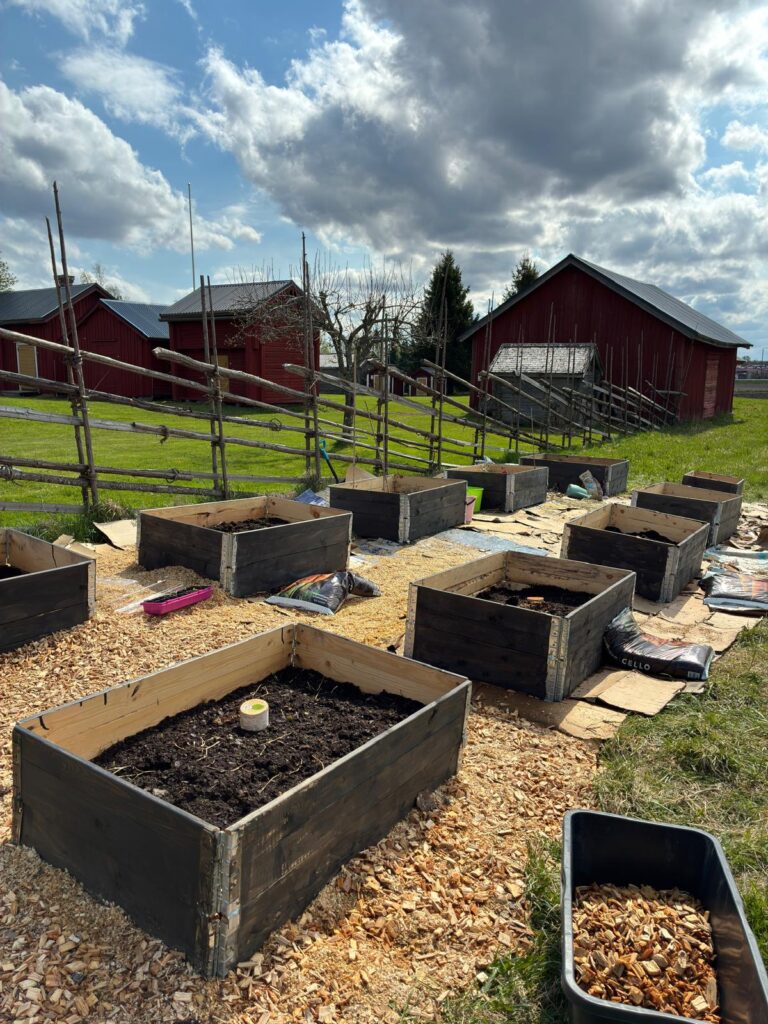
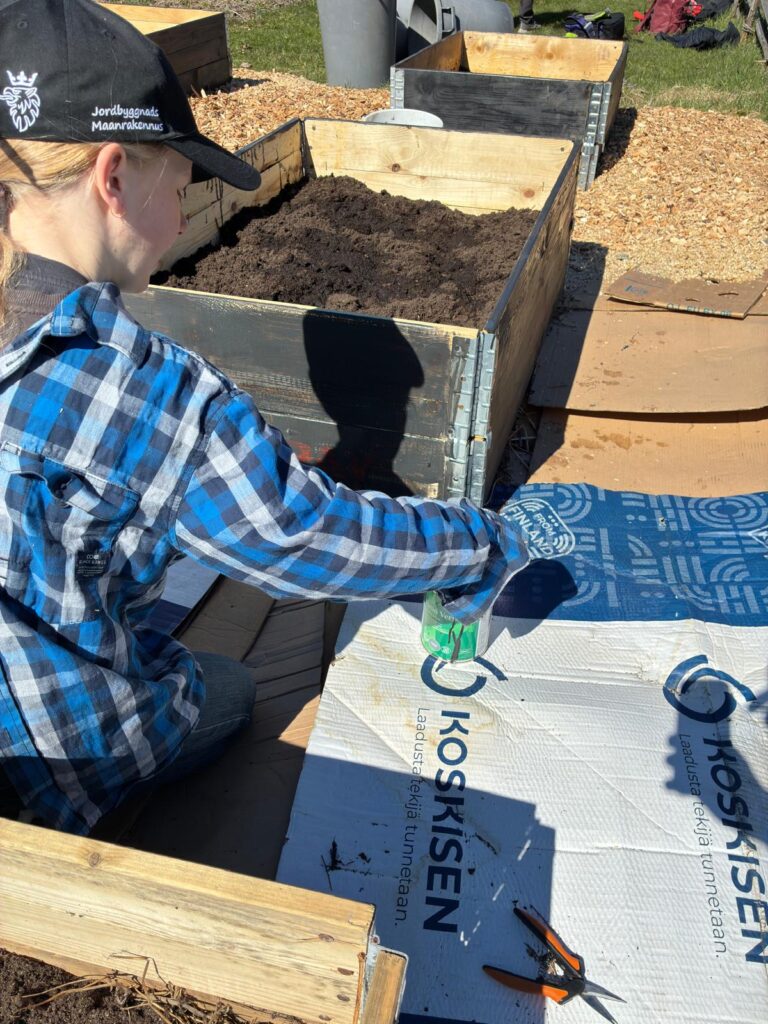
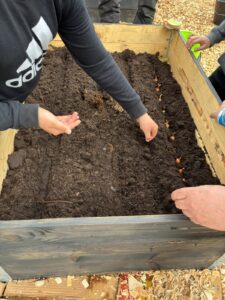
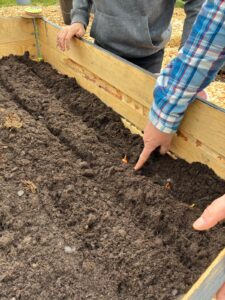
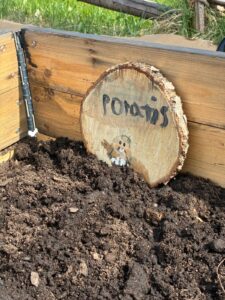
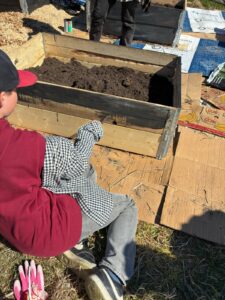
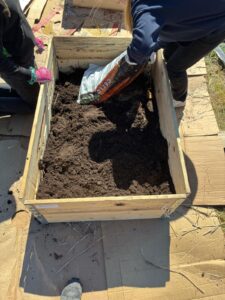
The key component of the Malax eco-club is long-term learning of farm-to-fork practices. The farming activities have included planning what the students would like to grow, building and painting growing boxes from donated second-hand materials, preparing the growing area, and planting seeds. During the summer, the plants are cared for by voluntary eco-club members.
The Malax Eco-Club farms in the yard of the Brinken Museum in Malax. The site is open to the public, and the project is carried out in collaboration with the museum as part of its shared planting area.
Local food and outdoor cooking
As a key part of the Malax eco-club meetings in 2026, one of the main goals was to learn about local food initiatives and develop outdoor cooking skills. Eco-club members were responsible for the cooking and had the opportunity to influence the meal planning.
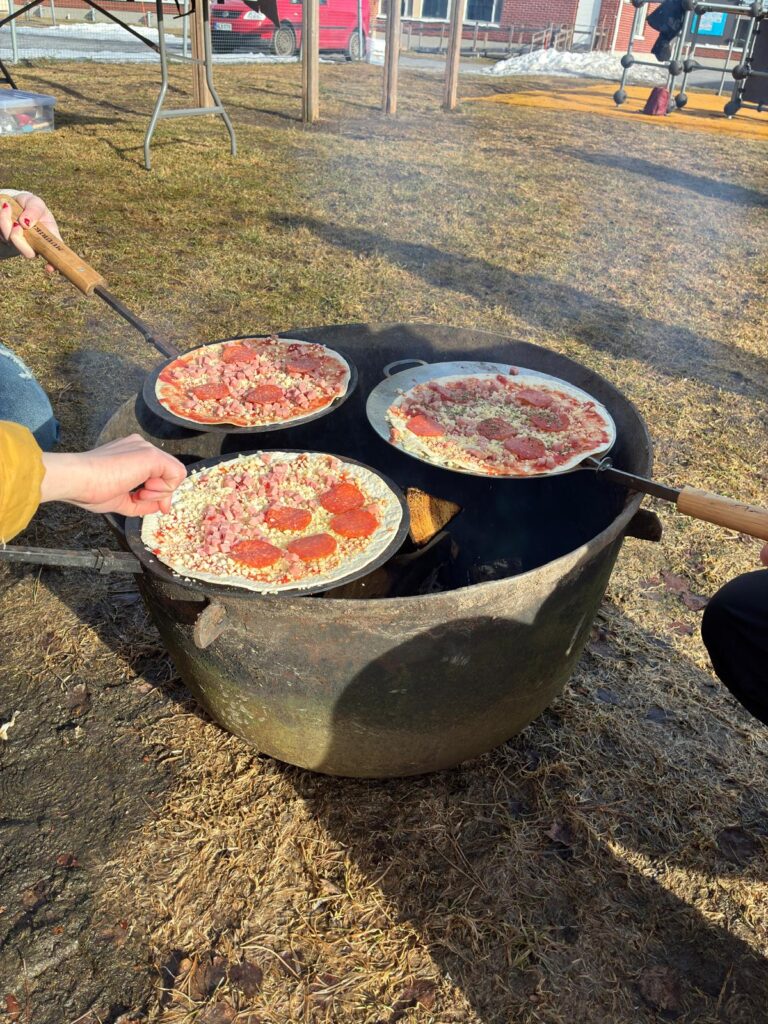
The meetings included preparing blinis with pike and bullhead roe, making strawberry jam enjoyed with toast, cooking pizza using taco flatbreads over an open fire, and preparing pike mince served as taco wraps, highlighting the use of local fish. The members also made a soup from wild herbs, emphasizing the use of foraged foods.